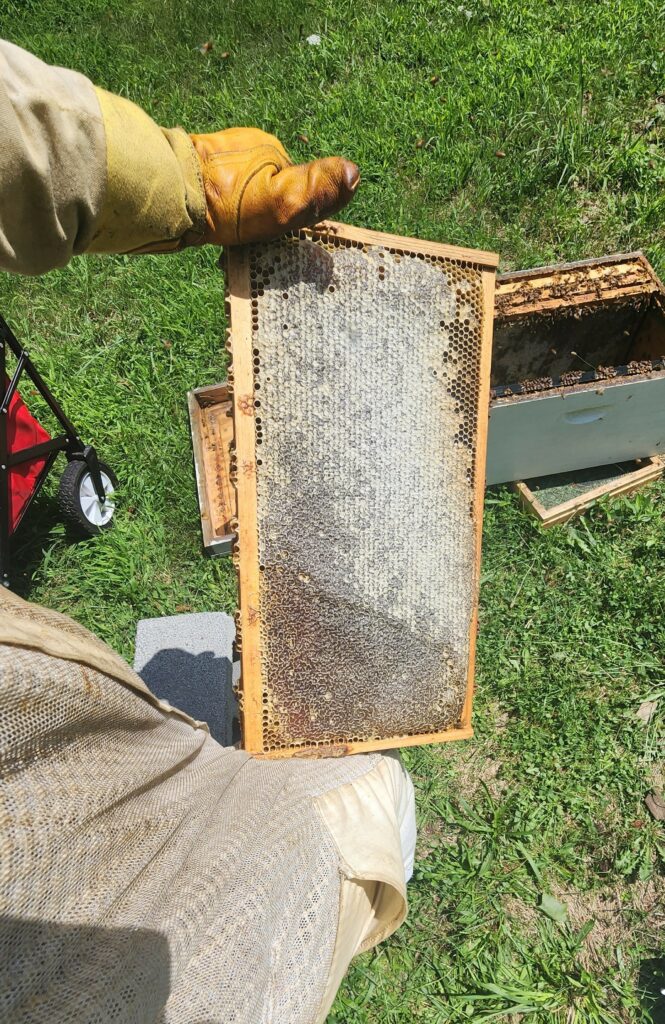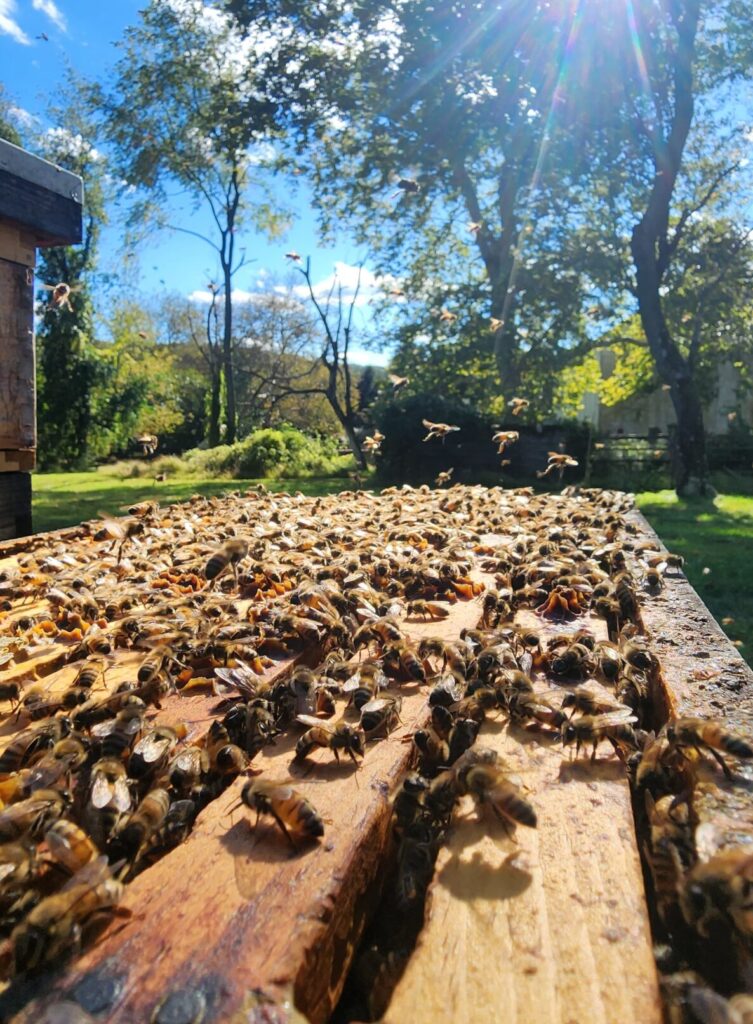
It’s October and our honey season is coming to an end. The remainder of the honey left in the supers is coming off the hives while the last mite treatments are going on as well as some sugar syrup feeders. I know there’s some controversy about feeding bees sugar syrup made from cane sugar, but it’s really important to bulk up the hive, feed them a pure sucrose that they can easily digest (darker fall honey can be rough on their digestive systems), and there are some interesting positive side effects of feeding sugar syrup to bees that Bob Binnie gets into in this video (youtube link). The bees eat through all of that stored sugar syrup by spring, and the supers I use to hold the new honey coming in during the spring are different from the boxes where they live in the winter, so there’s no overlap and you’re not getting any weird cane sugar syrup “honey” in the jars I sell you.
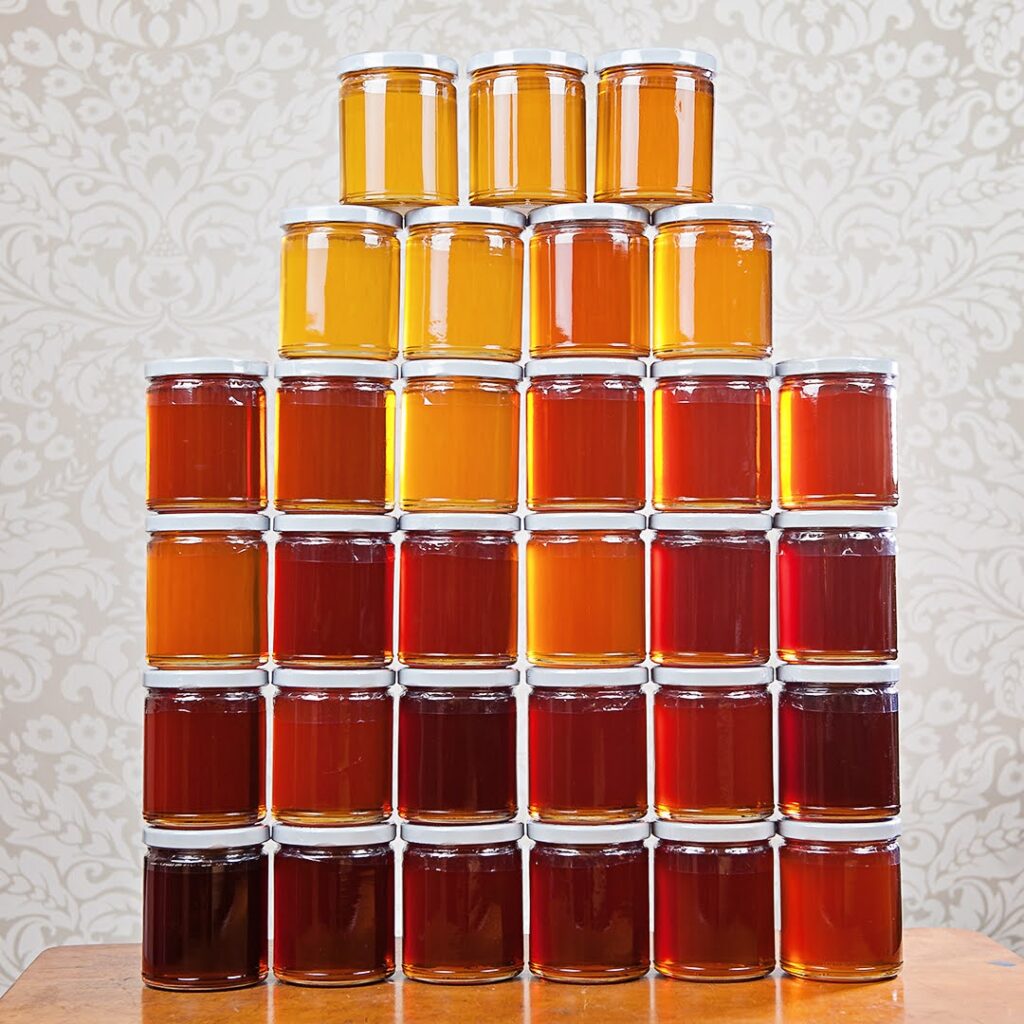
This really marks the end of summer for me as a beekeeper. The bulk of the heavy duty work wraps up, the bees are prepped for their long winter spent in a cluster, and we hope we’ve done our best to ensure the colony’s success so we see them again in the spring. Every year brings new challenges and successes, and while the heat was a challenge this year, we had a rainy late summer which gave us a bumper of that dark late summer honey. Grateful for a fantastic season this year, especially after last year’s low-production season!
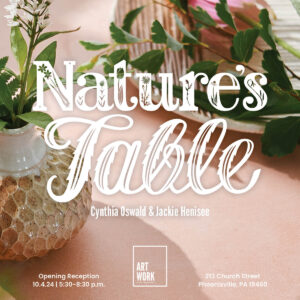
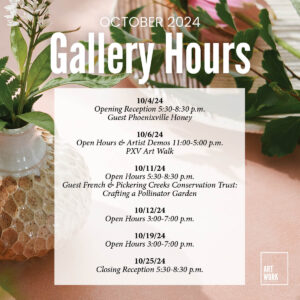
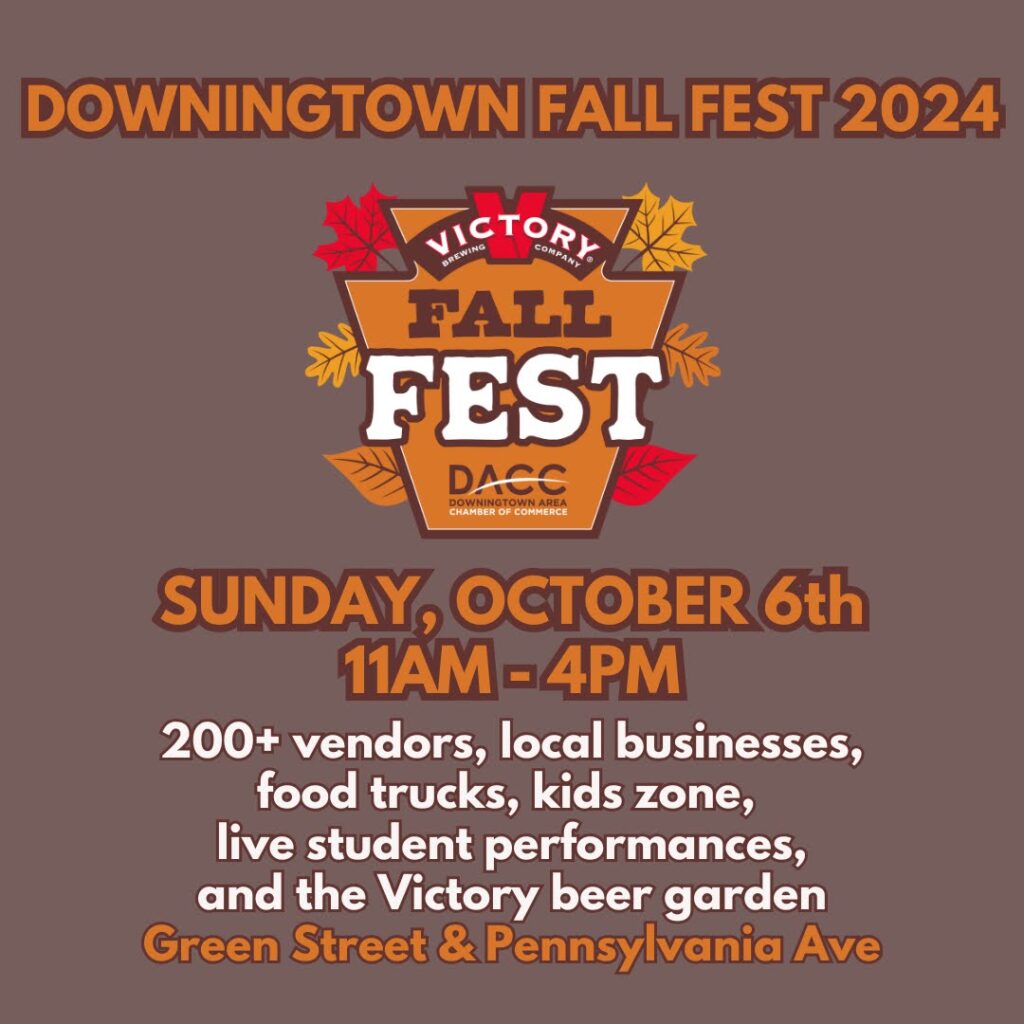
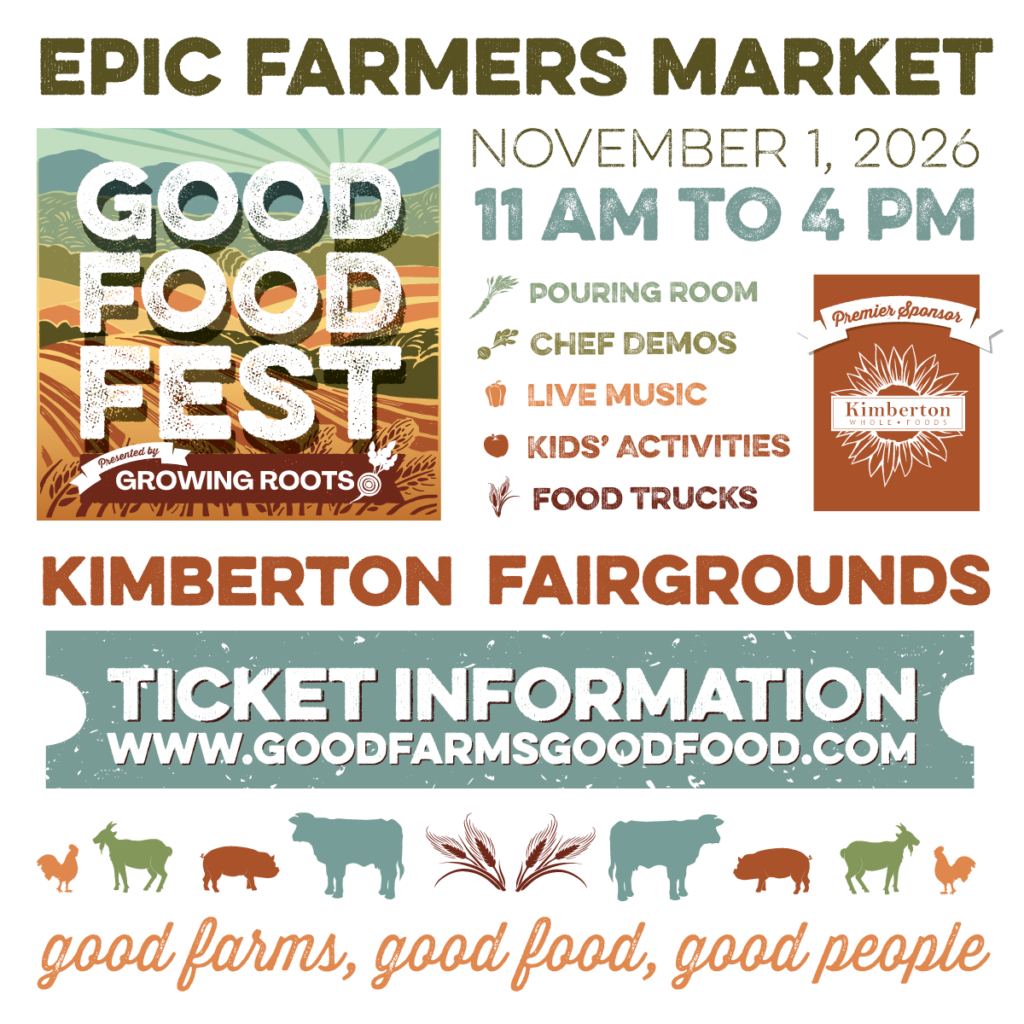
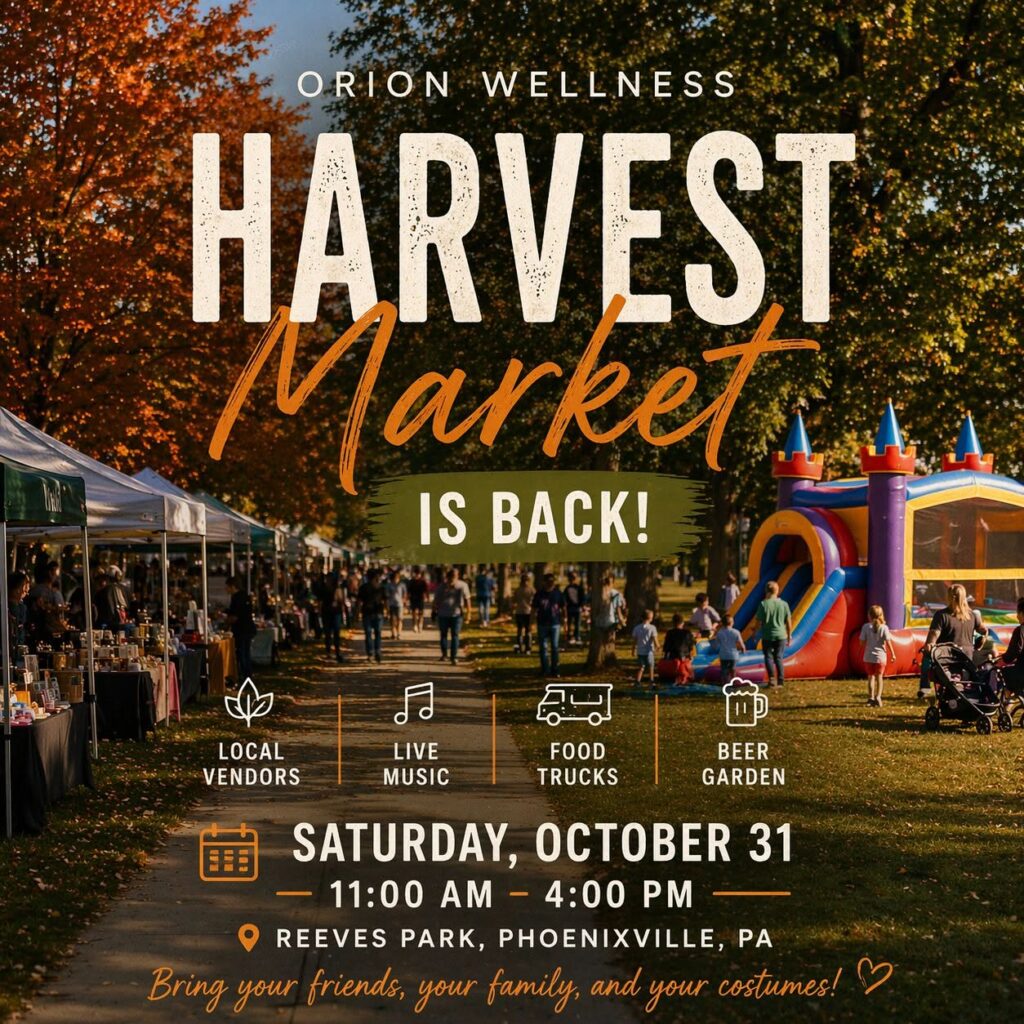
Couple of great events coming up, including two big festivals and my absolute favorite event of the year, Good Food Festival. Good Food Festival is a celebration of all things local farms and food and handmade goods. Not only do we get to celebrate the end of a harvest, but we get to share it with all of you! We’ve also got the Orion Wellness Harvest market which was a great event last year and we’re looking forward to it again. Hope you see you at an event or market soon!
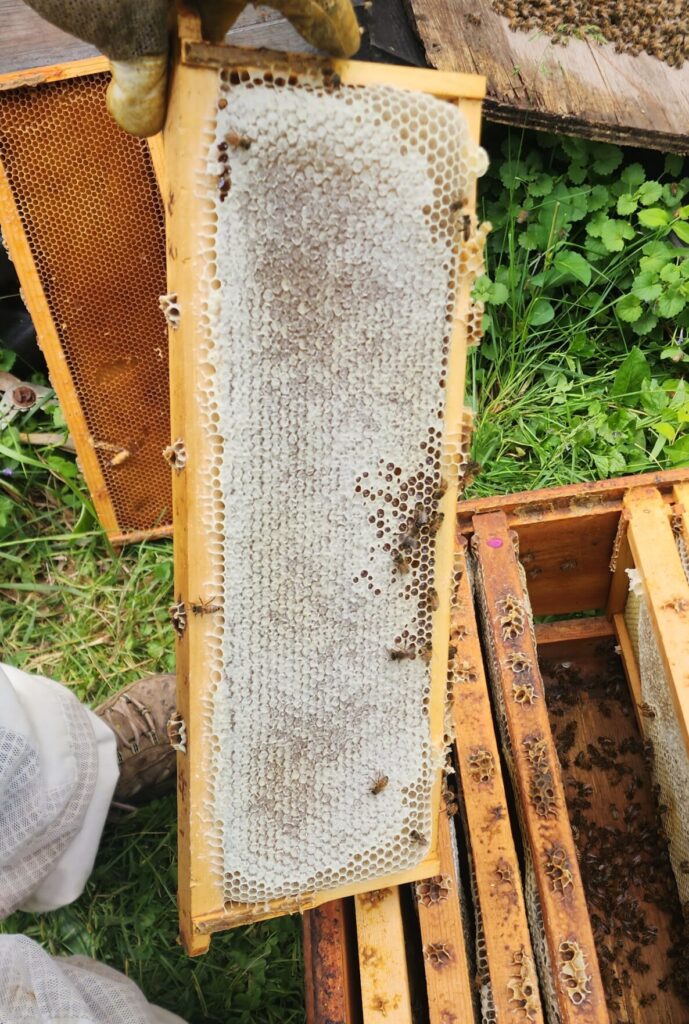
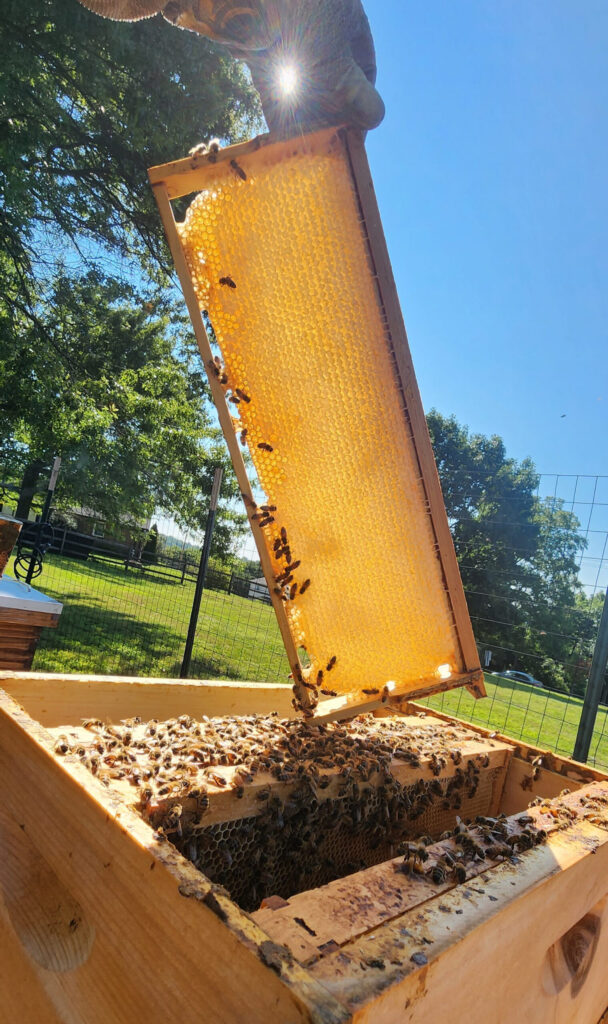 The first frames of honeycomb are finally ready and will be available at the Downingtown Farmers Market this weekend, August 8th. The bees have taken their sweet time building the comb and capping off the honey in the frames, but I was finally able to pull the first two frames this past week. I like to let the bees do whatever they’re going to do and roll with their schedule, so sometimes honeycomb isn’t available early in the season. Building all that wax honeycomb can take a little while, even on a hive that is a pretty quick comb builder (they’re not all the same – each hive has its quirks!), so sometimes the honeycomb comes in a little later than usual. That plus a little vacation getaway means it’s ready now, and it’s always a delightful pairing for a cheese board or melted into a freshly grilled peach.